Quick answer: Choose black leather for the most versatile, high-contrast wardrobe; cognac for warmth and visible patina; burgundy for a refined wine-red accent; and oxblood for a darker brown-red that reads nearly neutral in low light. Always review the exact item in daylight because leather finish, photography and screens can shift color.

Black vs cognac vs burgundy vs oxblood
| Color | Visual character | Easy pairings | Consider |
|---|---|---|---|
| Black | Clean, sharp, urban | White, gray, denim, black, saturated colors | Dust and light scratches may contrast on some finishes |
| Cognac | Warm, relaxed, heritage | Cream, navy, olive, denim, camel | Exact shade ranges from golden tan to deeper brown |
| Burgundy | Rich wine red, expressive | Navy, charcoal, cream, black | Can appear redder in daylight |
| Oxblood | Deep brown-red, restrained | Charcoal, navy, forest green, brown | May look nearly brown or black indoors |
When black leather is the best choice
Black creates a crisp outline and works across minimalist, biker and tailored styling. It is often the easiest first jacket because it coordinates with both dark trousers and casual denim. Finish changes the mood: matte black feels understated, while high-shine black produces stronger contrast.

Why cognac develops visible character
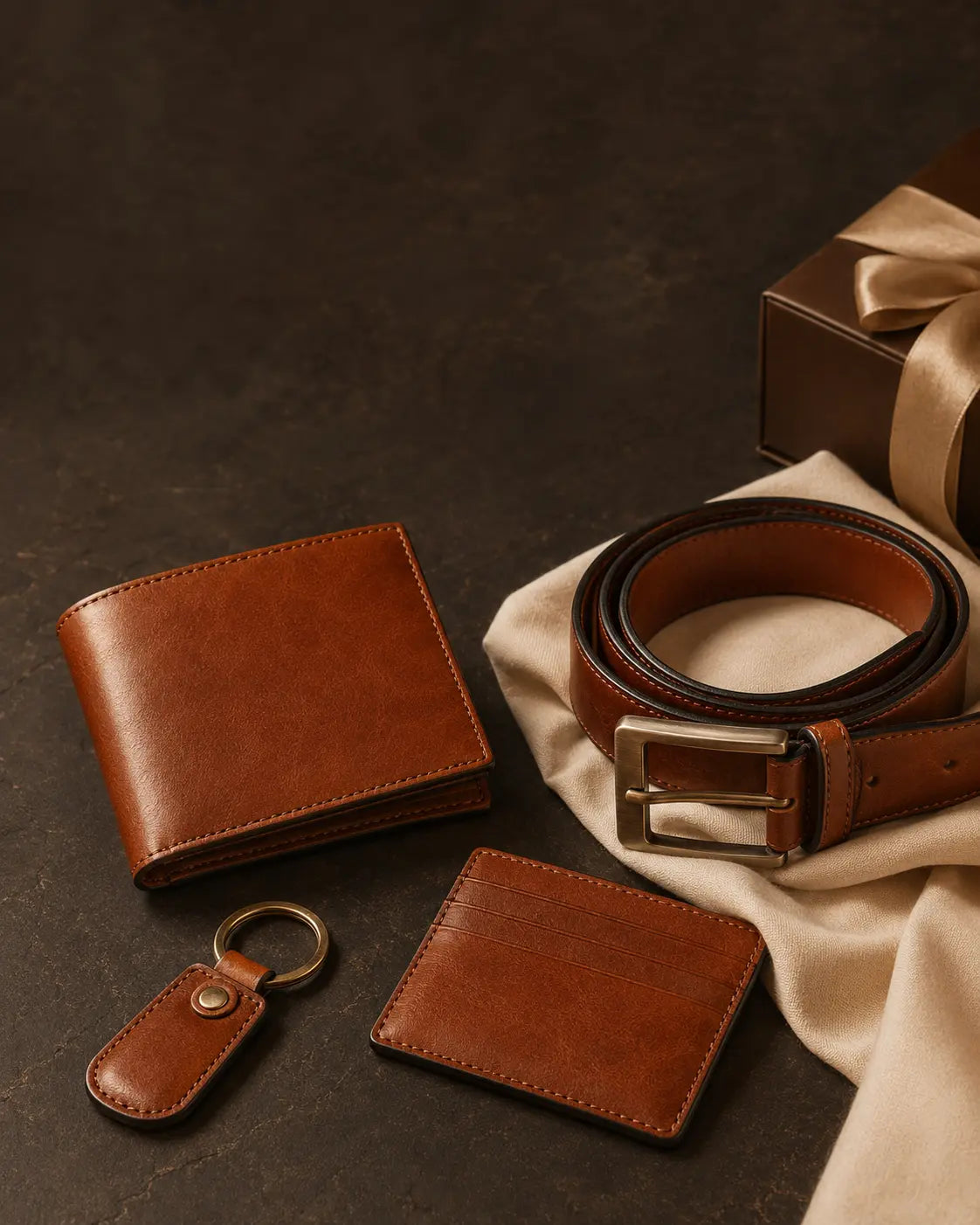
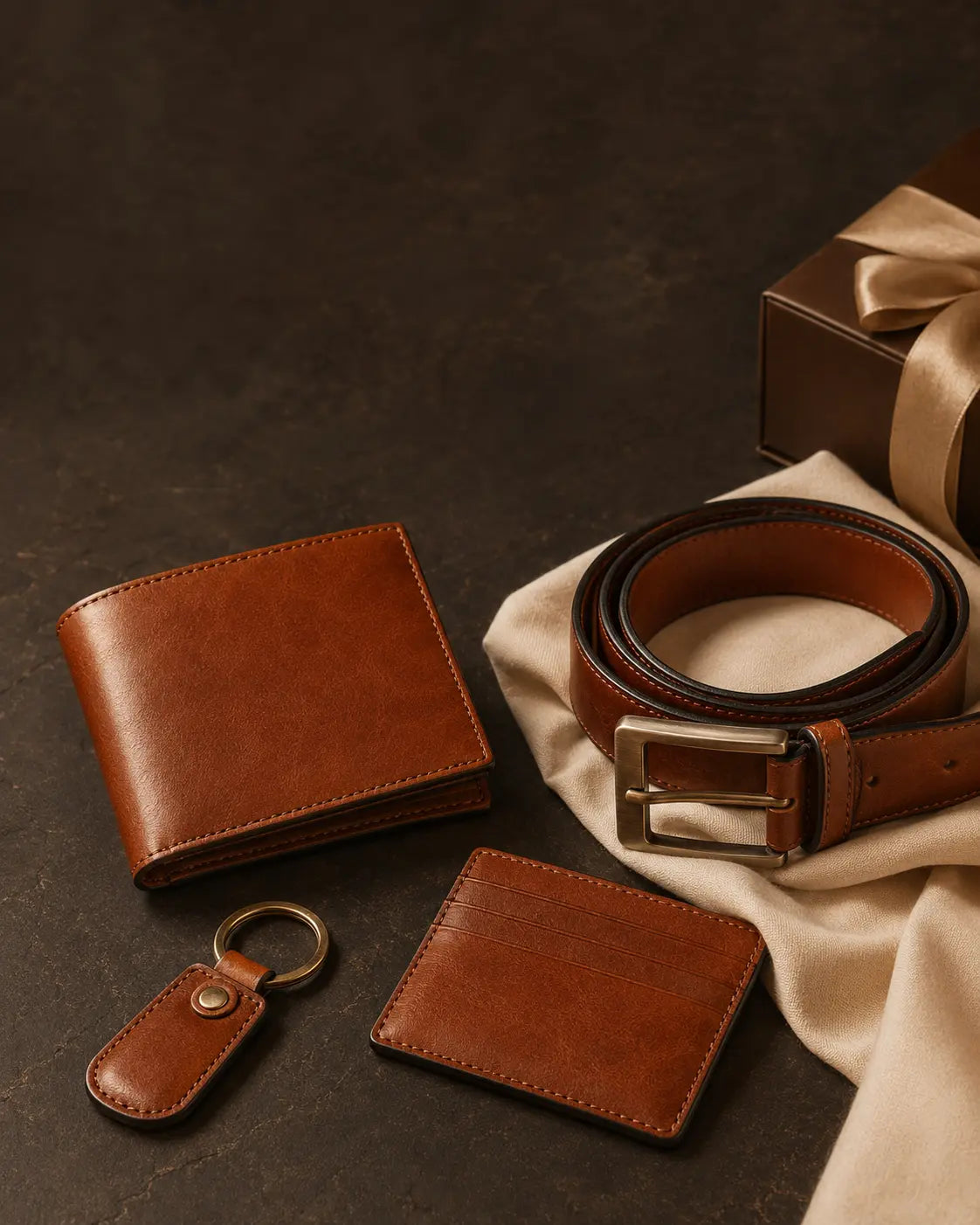
Cognac sits in the warm tan-to-brown family. It pairs naturally with cream, blue denim, navy and olive. Lighter brown finishes often reveal creasing and patina more visibly, which can be desirable if you want an evolving heritage look. Ask for current product photography because “cognac” is not a standardized color formula.

Burgundy and oxblood are not identical
Burgundy generally suggests a visible wine-red or purple-red influence. Oxblood usually describes a darker red-brown that can appear nearly espresso in dim conditions. Retail naming is inconsistent, so the product photograph and physical swatch matter more than the label alone.

Why leather changes color in photographs
Direction of light, color temperature, camera exposure, surface sheen and your screen all influence appearance. Warm indoor bulbs can make brown and burgundy look more orange; cool daylight may emphasize blue or purple undertones. Pull-up and aniline-style finishes can also show lighter areas where the leather bends.

How to choose your color online
- Identify the three clothing colors you wear most.
- Decide whether you want the leather to blend or create contrast.
- Review several photographs of the exact product.
- Check images in daylight and shade where available.
- For custom work, approve a physical swatch or clearly identified sample.
- Confirm whether hardware is brass, gunmetal, silver or black.
Color and leather care
Conditioners, cleaners and water can darken or alter leather, particularly lighter or minimally coated finishes. Follow the product-specific guidance and patch-test in a hidden place. Do not use household oils to deepen a color. Read how to clean and condition leather and how to respond to scratches and water spots.
Frequently asked questions
Which leather jacket color is most versatile?
Black is usually the simplest high-contrast neutral, while dark brown or oxblood may integrate more softly with earth tones. Versatility depends on your wardrobe.
Does cognac leather darken?
Some finishes deepen or develop patina with wear, light and conditioning, but the degree varies. Never assume a dramatic change.
Is burgundy suitable for work?
A clean, minimally detailed burgundy jacket or bag can coordinate well with navy, charcoal and cream where the dress code permits leather.
Are online leather colors accurate?
They are useful references, not perfect guarantees. Screens and lighting differ, so request a swatch for color-critical custom orders.
Should my leather bag match my shoes?
Exact matching is optional. Coordinating undertones and hardware often looks more natural than forcing identical shades.
Shop by use: explore men’s leather, women’s leather and leather bags, or read the 2026 leather bag guide.